Signs Your Basement or Foundation Needs Waterproofing
Noticing signs your basement or foundation needs waterproofing can help you prevent damage, and local service providers can assess and address these issues effectively.
Understanding the warning signs that your basement or foundation may need waterproofing is an important step for property owners in the area. Moisture issues, such as persistent dampness, musty odors, or visible water stains, can indicate underlying problems that may lead to more serious damage if left unaddressed. Recognizing these early signals can help homeowners take proactive steps to protect their investment and maintain a safe, stable environment inside their homes. Local contractors specializing in basement and foundation waterproofing are equipped to assess these signs and recommend effective solutions tailored to the specific needs of each property.
Exploring the signs that suggest waterproofing might be necessary empowers property owners to act before small issues become costly repairs. Common indicators include cracked walls, uneven flooring, or water pooling after heavy rain. Addressing these concerns promptly with the help of experienced service providers can prevent further damage and improve the longevity of a building’s foundation. As you read on, you'll find practical insights into how local pros can assist in resolving waterproofing challenges, ensuring your home remains dry and secure for years to come.
- Basement waterproofing - is needed when signs of water intrusion, such as dampness or mold, appear on basement walls, and local contractors use moisture barriers and drainage systems to address these issues.
- Foundation waterproofing - becomes necessary when cracks or efflorescence are visible on foundation surfaces, with service providers applying sealants and waterproof coatings to prevent further damage.
- Basement waterproofing - is recommended if there are persistent musty odors or visible water stains, as local pros typically install sump pumps and drainage solutions to keep the area dry.
- Foundation waterproofing - should be considered when there is uneven or cracked flooring, with contractors offering solutions like underpinning and waterproof membranes to stabilize the foundation.
- Basement waterproofing - is essential if basement walls show signs of efflorescence or peeling paint, and local service providers often implement interior or exterior waterproofing methods to mitigate moisture issues.
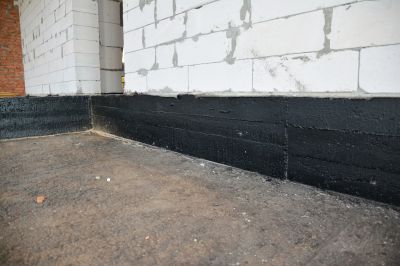
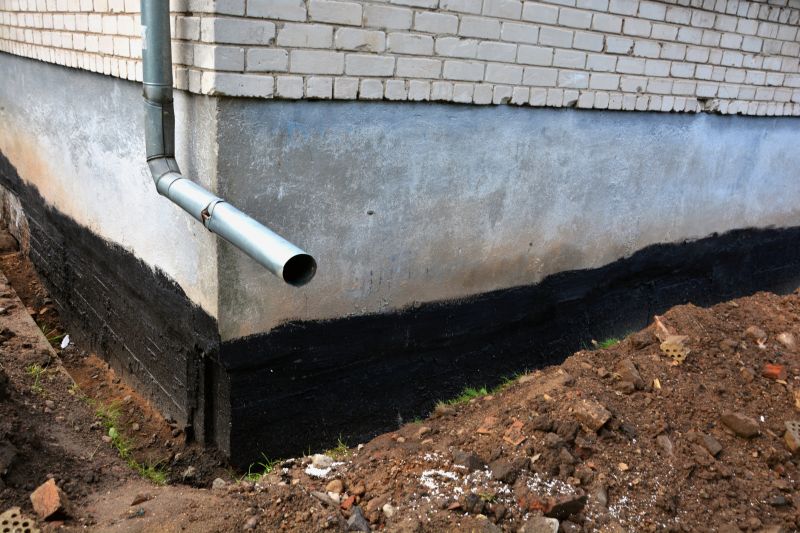
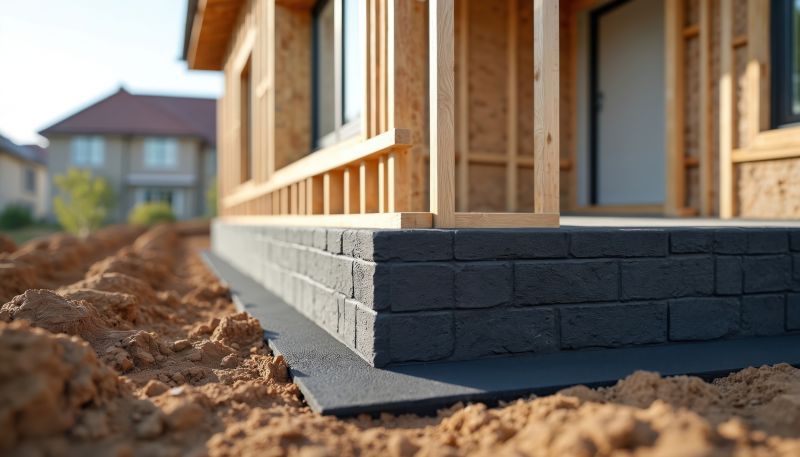
When homeowners search for signs their basement or foundation needs waterproofing, they are typically trying to identify early indicators of moisture problems that could lead to more serious damage. These signs often include visible water stains or discoloration on basement walls, persistent dampness or musty odors, and the appearance of mold or mildew. People may also notice efflorescence, which looks like white, powdery deposits on concrete surfaces, or experience water pooling during heavy rains. Recognizing these symptoms early can help prevent structural issues, mold growth, and costly repairs, prompting many to seek advice from local contractors specializing in basement or foundation waterproofing.
This topic is closely related to problems such as basement flooding, foundation cracks, and ongoing moisture infiltration. Homeowners often plan waterproofing projects as a preventative measure or as a response to existing issues. For example, a basement that regularly floods during storms might require waterproofing to keep the space dry and usable. Similarly, foundation cracks that leak water can weaken the structure over time if not addressed. These problems can also impact the overall value of a property, making waterproofing an important step for those considering renovations or resale. Local service providers are equipped to evaluate the specific conditions of a property and recommend suitable waterproofing solutions tailored to each situation.
The types of properties that commonly come up when discussing signs of waterproofing needs include single-family homes, townhouses, and multi-unit residential buildings. Many homes built on sloped or poorly drained land are more prone to moisture issues, especially if their foundations are below ground level. Basement apartments or finished basements are also at increased risk, as moisture can affect interior spaces and furnishings. Commercial properties with underground parking garages or storage areas may face similar challenges. Regardless of property type, identifying signs early and working with local contractors ensures that appropriate waterproofing methods can be implemented to protect the building’s foundation and interior spaces.
For homeowners noticing signs their basement or foundation needs waterproofing, understanding how local pros fit into the process is essential. These specialists can conduct thorough inspections to pinpoint sources of moisture intrusion, such as improper drainage or cracks in the foundation. They can then recommend targeted solutions like interior or exterior waterproofing systems, sump pumps, or drainage improvements. Engaging experienced contractors ensures that the work is performed correctly and effectively, helping to safeguard the property against future moisture problems. Since each property’s needs are unique, working with local experts provides peace of mind that the appropriate steps are taken to maintain a dry, stable foundation.
Interior Drainage System Installation - local contractors who install interior drainage systems help manage water intrusion, similar to waterproofing efforts for basements and foundations.
Foundation Crack Repair - repairing cracks in foundations requires skills and tools comparable to those used in waterproofing to prevent water seepage and structural issues.
Basement Wall Sealing - sealing basement walls to prevent moisture infiltration aligns with waterproofing techniques aimed at keeping basements dry and stable.
Moisture Vapor Barrier Installation - installing vapor barriers involves planning and application skills similar to those used in waterproofing to control humidity and water vapor.
Exterior Drainage System Services - local service providers who install exterior drainage solutions work to divert water away from foundations, complementing waterproofing strategies.
Soil Drainage Improvement Projects - improving soil drainage around a property involves planning and execution skills that support effective waterproofing and foundation protection.
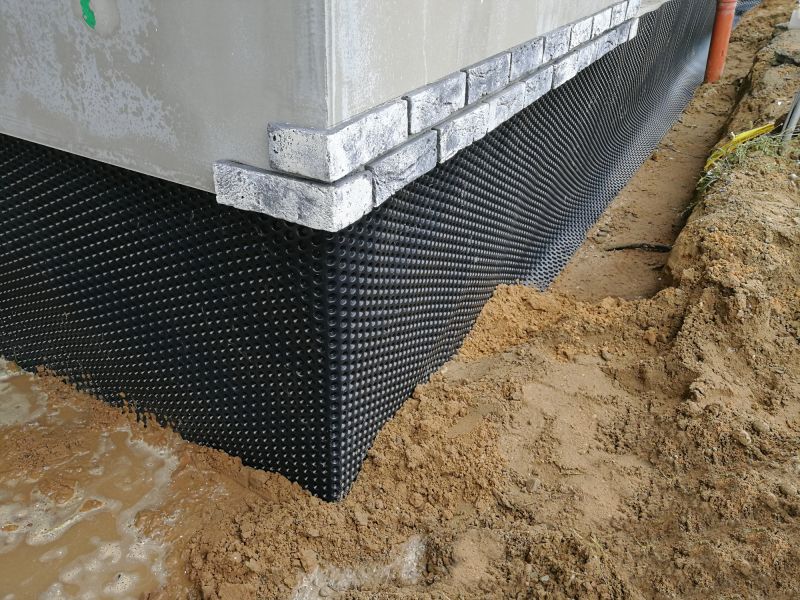
When evaluating basement or foundation waterproofing service providers, it’s important to consider their experience with similar projects. Homeowners should seek out local contractors who have a proven track record of handling waterproofing issues in situations comparable to their own, whether it involves addressing basement leaks, cracks, or water intrusion. An experienced service provider will be familiar with common signs your basement or foundation needs waterproofing and can offer insights into effective solutions based on prior work in the area. This familiarity can help ensure that the chosen contractor understands the specific challenges posed by local soil conditions and climate factors, which can influence the waterproofing approach.
Clear written expectations are essential when comparing local pros for waterproofing services. Homeowners should look for providers who can outline the scope of work, materials to be used, and the steps involved in addressing signs your basement or foundation needs waterproofing. A detailed written plan helps prevent misunderstandings and ensures that both parties are aligned on project goals. It also provides a basis for evaluating proposals and comparing the thoroughness of different service providers. Being able to review and understand the scope of work upfront allows homeowners to make informed decisions and select a contractor who clearly communicates their approach.
Reputable references and effective communication are key factors when choosing a local contractor for waterproofing needs. Homeowners should ask potential service providers for references from previous clients who faced similar signs your basement or foundation needed waterproofing. Contacting these references can provide insights into the quality of work, reliability, and how well the contractor managed expectations throughout the project. Additionally, good communication-such as prompt responses, clarity in explanations, and willingness to answer questions-can make the entire process smoother. Reliable service providers who prioritize clear, ongoing communication are better equipped to address concerns and keep homeowners informed at every stage of the waterproofing project.
Property owners often search for signs your basement or foundation needs waterproofing when they are planning practical projects around their homes and businesses. Local pros provide Basement or Foundation Waterproofing services for everyday jobs and straightforward project options.
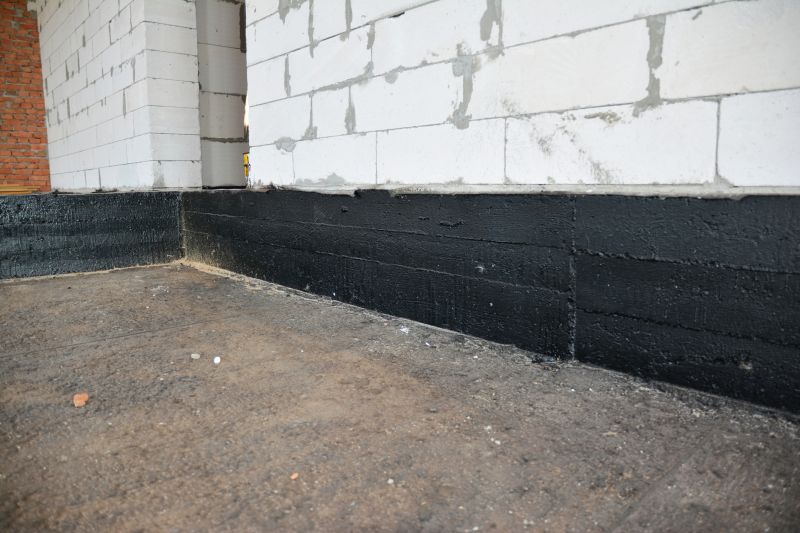
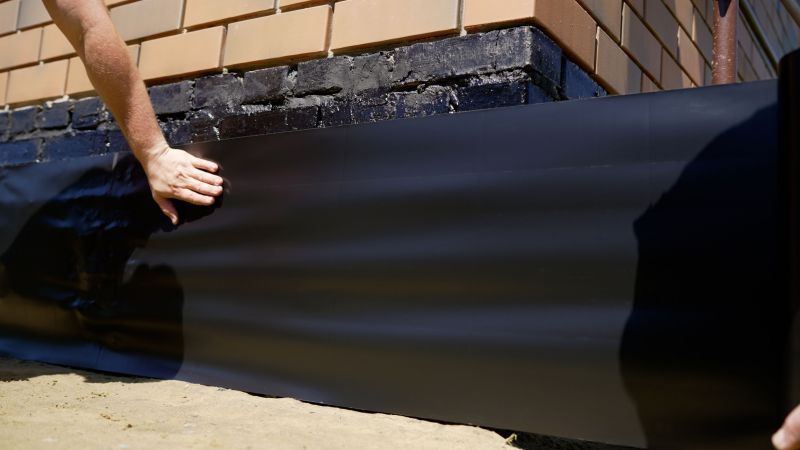
Many property owners in the area notice signs of water intrusion or damage that suggest their basement or foundation may need waterproofing. Common indicators include persistent dampness on basement walls, the presence of mold or a musty smell, and visible water stains or efflorescence. Cracks in the foundation or basement walls can also be a warning sign, especially if they seem to be widening over time or if water is seeping through them during heavy rain. Recognizing these signs early can help homeowners decide when to reach out to local contractors who specialize in waterproofing services to protect their property.
Other everyday situations that might prompt a search for waterproofing solutions involve noticing increased humidity levels or pooling water after storms. If the ground around the home appears to be consistently wet or if water is collecting near the foundation, it could indicate drainage issues or inadequate waterproofing. These issues, if left unaddressed, can lead to more serious structural problems and costly repairs. Consulting with experienced local service providers can offer options to improve basement dryness and reinforce the foundation, helping property owners maintain the integrity of their homes.
What are common signs that a basement or foundation needs waterproofing? Indicators include persistent dampness, water stains on walls or floors, musty odors, mold growth, and visible efflorescence or mineral deposits.
How can I tell if my basement has a moisture problem? Signs of moisture issues are often visible as condensation on walls, peeling paint, warped or swollen flooring, and the presence of mold or mildew.
What physical signs suggest foundation problems that might require waterproofing? Cracks in basement walls or floors, uneven or shifting floors, and gaps around windows or doors may indicate foundation issues needing attention from local contractors.
Are there specific signs of water intrusion during heavy rain? Yes, water entering through basement windows, seepage through walls, or pooling on the floor during rainstorms can signal the need for waterproofing services.
When should I consider hiring a professional for waterproofing? If you notice ongoing dampness, recurring water stains, mold growth, or structural cracks, consulting local service providers can help address potential waterproofing needs effectively.
Cracks in basement walls - noticing cracks can indicate water pressure issues, prompting property owners to seek waterproofing services from local contractors to prevent further damage.
Water stains or dampness - visible signs of moisture on walls or floors may lead property owners to explore waterproofing options offered by nearby service providers.
Musty odors or mold growth - persistent smells or mold can suggest hidden water intrusion, encouraging property owners to connect with local waterproofing specialists.
Uneven or bulging foundation - structural shifts or bulges often signal water-related stress, prompting property owners to consider waterproofing solutions from local contractors.
If you are thinking about signs your basement or foundation needs waterproofing for a property, this guide is meant to help you understand this topic, the typical project types, and how different options might fit your plans.
When you are ready, you can use the quote form on this page to share a few details about your project. From there, local pros can review the basics and follow up with options that match what you have in mind.